

All About Cannabis Administration - Part 2
EXPLORING NEW ROUTES OF ADMINISTRATION
A few years ago, we published part 1 of this blog series All About Cannabis Administration – Part 1 , introducing two of the most common ways of using medical cannabis: inhalation and ingestion. Since then, cannabinoid medicine has continued to evolve rapidly. New formulations have become available, and our understanding of cannabinoid pharmacology has grown considerably. As a result, patients, researchers, and clinicians have increasingly explored alternative routes of administration.
Today, patients have access to a much wider range of options, including oromucosal sprays, topical products, transdermal patches, and suppositories. Each route has unique advantages and limitations, and understanding these differences can help patients and healthcare providers make more evidence-informed treatment decisions.
WHY DOES ADMINISTRATION ROUTE MATTER?
Choosing how cannabinoids enter the body is just as important as choosing which cannabinoid to use. The route of administration influences how quickly the medication works, how long the effects last, how much reaches the bloodstream (bioavailability), and the likelihood of specific side effects.
Cannabinoids like delta-9-tetrahydrocannabinol (THC) and cannabidiol (CBD) are highly lipophilic, dissolving easily in fat but poorly in water. This is why medical cannabis products are often oil-based and better absorbed when taken with fatty foods. While this property allows cannabinoids to cross fatty cell membranes efficiently, it hinders their passage through water-rich environments such as saliva, mucus, or deeper skin layers. Formulations may include absorption enhancers, such as ethanol, medium-chain triglycerides (MCTs), or surfactants, to improve transfer across biological barriers and raise bioavailability.
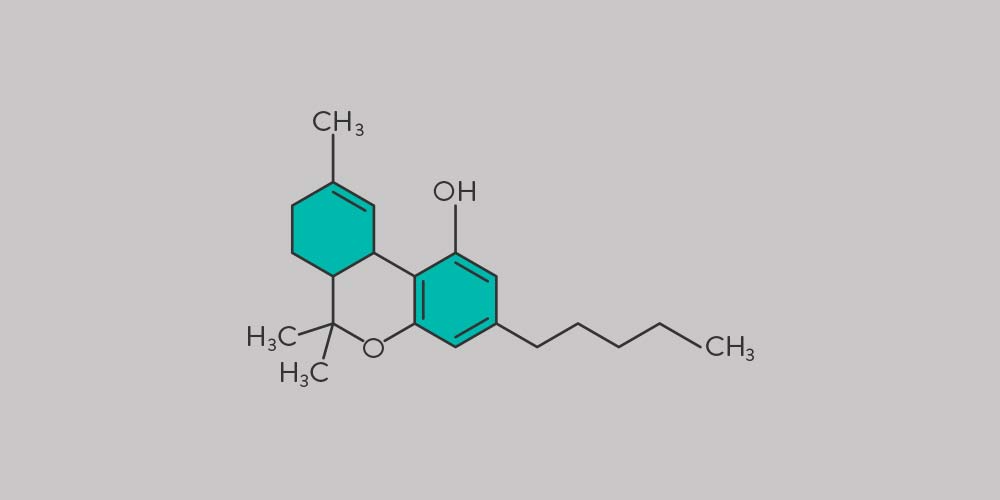
Orally ingested cannabis undergoes hepatic first-pass metabolism: after absorption in the gut, blood carrying the drug passes through the liver before reaching the rest of the body. During this initial pass, part of the drug is metabolized, reducing the remaining amount of drug reaching the rest of the body. This contributes to the delayed and more variable effects of oral cannabis products. In the liver, delta-9-THC is also converted into 11-hydroxy-THC (11-OH-THC), an active metabolite that produces stronger and longer-lasting psychoactive effects than THC itself (1). This is why edibles can feel more intoxicating (“feeling high”) and last longer than inhaled cannabis, even at similar doses.
Alternative routes of administration—including oromucosal, transdermal, and rectal/vaginal—partially or completely bypass the first-pass metabolism. Because less THC is converted into 11-OH-THC, these routes can offer a faster onset of action, more predictable absorption, and a lower relative risk of unwanted intoxication compared to orally ingested THC. However, the degree to which these benefits appear depends considerably on the formulation used and individual factors such as genetics, body composition, and a person’s sensitivity or tolerance to THC (2).
OROMUCOSAL ADMINISTRATION
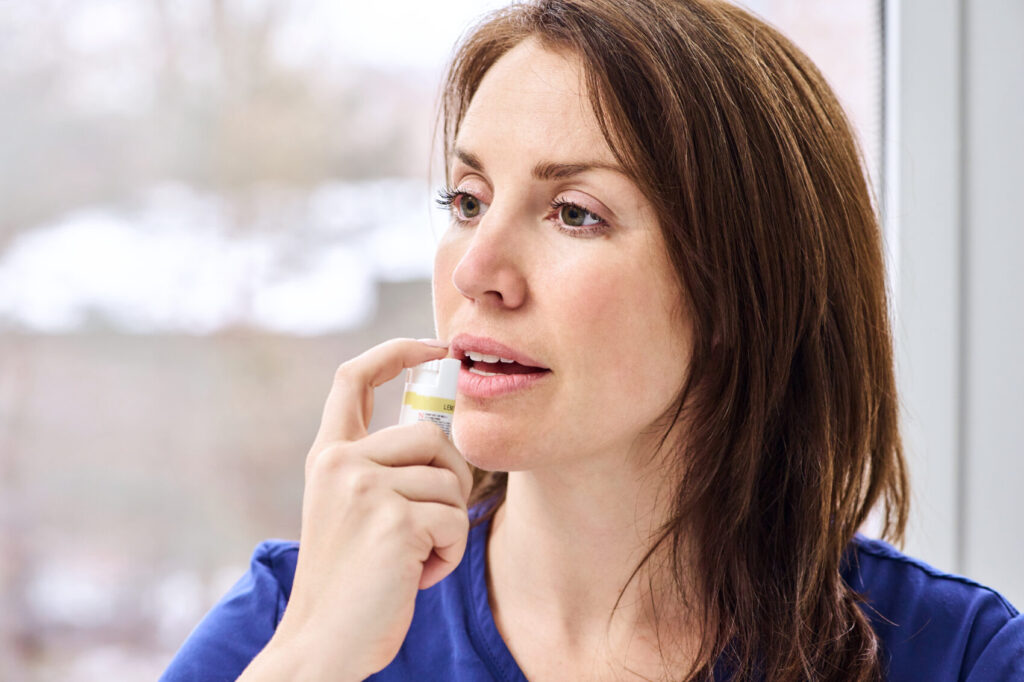
Although both oral and oromucosal products begin in the mouth, they follow very different paths. Oromucosal formulations – sprays, strips, or lozenges – are mostly absorbed directly through the mucous membranes (under the tongue or inside the cheeks), allowing cannabinoids to partially bypass first-pass metabolism and reach the bloodstream more directly. In theory, this translates into a more predictable effect and a faster onset of action.
The oromucosal route has gained particular importance in medical cannabis care because it is the route used by nabiximols (Sativex®), a standardized pharmaceutical product that has generated one of the strongest bodies of evidence in cannabinoid medicine (3). Because it is a licensed pharmaceutical product with a standardized THC:CBD formulation and dosing regimen, it has been evaluated in numerous randomized controlled trials, particularly for multiple sclerosis-related spasticity and neuropathic pain (4).
Controlled pharmacokinetic studies comparing oral THC to oromucosal Sativex found a trend toward greater THC bioavailability and a lower 11-OH-THC-to-THC ratio with the oromucosal spray, consistent with partial avoidance of first-pass metabolism (5). Its ethanol-based formulation allows rapid absorption through the oral mucosa, although some patients may experience local irritation or mouth discomfort. Sativex® is not covered by government-based prescription plan (RAMQ in Quebec), but some private insurers may offer coverage under specific criteria.
TOPICAL AND TRANSDERMAL ADMINISTRATION
These two terms are often used interchangeably, but they describe different therapeutic approaches.
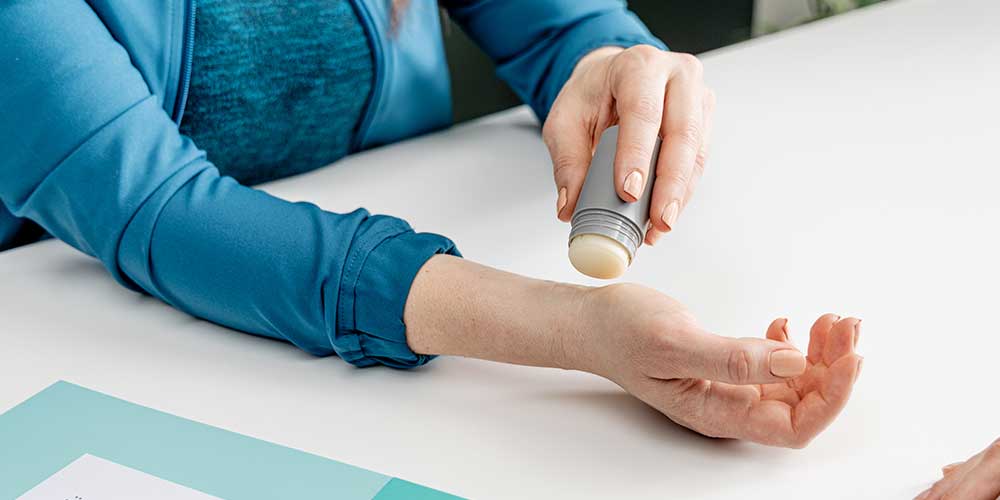
Topical products are designed to act locally within the skin and underlying tissues. Creams, gels, lotions, and oils are commonly used to target localized symptoms such as pain and a variety of dermatological conditions. Without significant absorption into the bloodstream, they carry little to no risk of intoxication. A placebo-controlled clinical trial reported that topical CBD oil significantly reduced pain and other symptoms in patients with peripheral neuropathy, with minimal side effects (6). These findings are consistent with our clinical experience; our clinical staff and patients have observed positive effects with the use of topical products for localized pain.
Transdermal patches, adhesive strips applied to the skin, are specifically formulated to deliver cannabinoids across the skin barrier and into the bloodstream, providing longer-lasting effects throughout the body. This distinction matters because the skin is naturally designed to keep substances out, so transdermal formulations require specialized technologies — such as chemical permeation enhancers or microneedle systems — to help cannabinoids cross this barrier (7) Although preclinical studies demonstrate the anti-inflammatory properties of cannabinoids that may benefit certain skin conditions, clinical evidence for the use of cannabinoids in dermatology remains limited, underscoring the need for further research (8).
RECTAL AND VAGINAL ADMINISTRATION
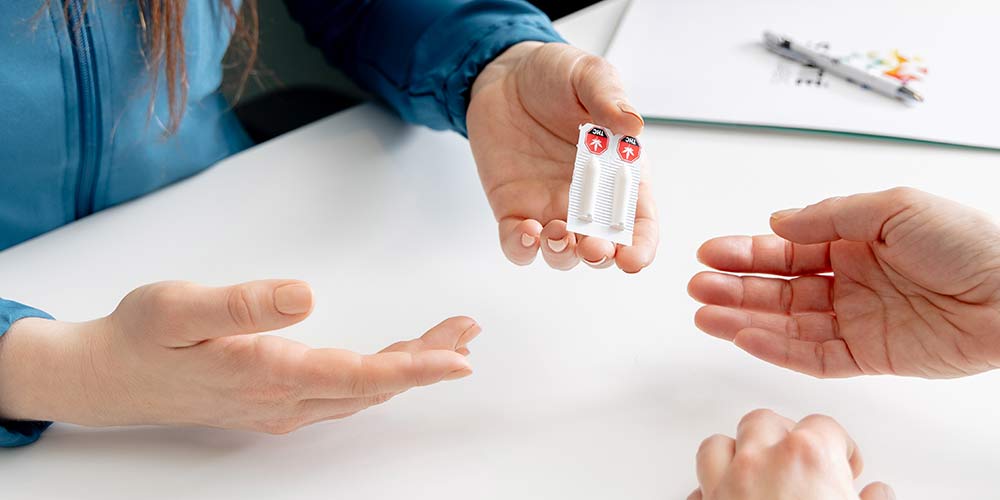
Suppositories are solid preparations designed to melt at body temperature and deliver medication via the rectal or vaginal route. They are typically made from fatty bases — such as cocoa butter, shea butter, or coconut oil — which suit the lipophilic nature of cannabinoids.
Cannabis suppositories have attracted growing interest from both patients and clinicians in recent years. Although clinical data remain scarce, patients living with conditions such as chronic pelvic pain, endometriosis, and dyspareunia are increasingly seeking out this route, and it is being prescribed more often in clinical practice.
Suppositories are thought to offer higher local bioavailability within the pelvis while reducing how much of the cannabinoids circulate throughout the body compared with the same dose administered orally or by inhalation. Because this route partially avoids first-pass metabolism, it produces less 11-OH-THC and may result in lower concentrations of this metabolite reaching the brain. In theory, this may reduce the likelihood of THC-associated psychoactive effects while maintaining local therapeutic benefits. Real-world evidence suggests they may improve pelvic pain and menstrual discomfort while being generally well tolerated (9).
While some studies exist for the rectal route (10), none have yet been published for the vaginal route, despite considerable patient interest. In a survey of persons taking cannabis for perimenopause and post menopause, 78% expressed interest in cannabis-based vaginal products, most commonly to address vaginal atrophy, dryness, and localized pain — needs that current products on the market do not adequately serve (11).
COULD EYE DROPS BECOME A FUTURE OPTION?
Researchers have been exploring ocular administration of cannabinoids for decades, particularly for glaucoma, but also for other ophthalmologic conditions such as dry eye disease and diabetic retinopathy. Cannabinoids—particularly THC—may reduce intraocular pressure (IOP) while also exerting anti-inflammatory and neuroprotective effects (12). The main challenge has been developing formulations capable of delivering cannabinoids effectively to ocular tissues while avoiding the systemic exposure and psychoactive effects associated with conventional routes of administration. To address these limitations, researchers are investigating advanced drug-delivery technologies to improve ocular bioavailability (13). Though this method sounds promising, cannabinoid-based ocular products are not available on the market.
LOOKING AHEAD
The legalization of recreational cannabis in Canada has accelerated innovation in cannabis formulations, expanding the range of therapeutic options available to patients. As this article has shown, each formulation and route of administration offers unique advantages that may better suit different symptoms, lifestyles, and treatment goals. While patients and clinicians have readily embraced these new products, further research is needed to improve their cost-effectiveness and to support policy changes that expand access and reduce the persistent stigma surrounding medical cannabis.
At Santé Cannabis, research and patient care go hand in hand. For more than a decade, our clinical research program has generated real-world evidence and clinical trials and helped advance cannabinoid-based care. Every patient who participates in research contributes to closing important knowledge gaps and moving the field toward safer, more effective, and more personalized treatments. Whether you’re just beginning your medical cannabis journey or exploring new treatment options, our multidisciplinary team is here to help you find the approach that best fits your needs.
Author: Luiza Marouelli, Clinical Educator at Santé Cannabis.

This work is licensed under a Creative Commons Attribution-NonCommercial-NoDerivatives 4.0 International License.
You would like an assessment for a medical cannabis treatment?
Meet with a Santé Cannabis doctor or nurse practitioner today!
Want to learn more? Train with us!
Our boutique equips healthcare professionals with the tools and knowledge to confidently recommend and prescribe cannabinoid-based treatments.
Don’t miss the first part of this series
Discover the main routes of administration for medical cannabis.
REFERENCES
1. Lemberger L, Martz R, Rodda B, Forney R, Rowe H. Comparative pharmacology of Δ9-tetrahydrocannabinol and its metabolite, 11-hydroxy-Δ9-tetrahydrocannabinol. J Clin Invest. 1973;52(10):2411–2417.
2. Olivero MM, Colom J, Gual A. Psychoactive constituents of cannabis and their clinical implications: a systematic review. Constituyentes psicoactivos del cannabis y sus implicaciones clínicas: una revisión sistemática. Adicciones. 2018;30(2):140-151. Published 2018 Apr 15. doi:10.20882/adicciones.858
3. Whiting PF, Wolff RF, Deshpande S, et al. Cannabinoids for Medical Use: A Systematic Review and Meta-analysis. JAMA. 2015.
4. Novotna A, Mares J, Ratcliffe S, et al. A randomized, double-blind, placebo-controlled, parallel-group, enriched-design study of nabiximols (Sativex®), as add-on therapy, in subjects with refractory spasticity caused by multiple sclerosis. European Journal of Neurology. 2011.
5. Karschner EL, Darwin WD, Goodwin RS, Wright S, Huestis MA. Plasma cannabinoid pharmacokinetics following controlled oral Δ9-tetrahydrocannabinol and oromucosal cannabis extract administration. Clin Chem. 2011;57(1):66–75.
6. Xu DH, Cullen BD, Tang M, Fang Y. The effectiveness of topical cannabidiol oil in symptomatic relief of peripheral neuropathy of the lower extremities. Curr Pharm Biotechnol. 2020;21(5):390–402.
7. Torabi A, Madsen FB, Skov AL. Permeation-enhancing strategies for transdermal delivery of cannabinoids. Cannabis Cannabinoid Res. 2024.
8. Hashim PW, Cohen JL, Pompei DT, Goldenberg G. Topical cannabinoids in dermatology. Cutis. 2017;100(1):50-52.
9. Dahlgren, M.K., Smith, R.T., Kosereisoglu, D. et al. A survey-based, quasi-experimental study assessing a high-cannabidiol suppository for menstrual-related pain and discomfort. npj Womens Health 2, 29 (2024).
10. ElSohly MA, Gul W, Walker LA. Pharmacokinetics and tolerability of Δ9-THC-hemisuccinate in a suppository formulation as an alternative to capsules for the systemic delivery of Δ9-THC. Med Cannabis Cannabinoids. 2018;1(1):44–53.
11. Dahlgren MK, El-Abboud C, Lambros AM, Sagar KA, Smith RT, Gruber SA. A survey of medical cannabis use during perimenopause and postmenopause. Menopause. 2022;29(9):1028–1036.
12. Tomida I, Azuara-Blanco A, House H, Flint M, Pertwee RG, Robson PJ. Effect of sublingual application of cannabinoids on intraocular pressure: a pilot study. J Glaucoma. 2006;15(5):349–353.
13. Saraiva SM, Martín-Banderas L, Durán-Lobato M. Cannabinoid-based ocular therapies and formulations. Pharmaceutics. 2023;15(4):1077.